
A Comprehensive Guide to Safe and Healthy Choices.
GMOs, short for genetically modified organisms, have sparked intense debates everywhere—from scientific circles to dinner tables. It’s wise to understand why some folks raise red flags about these foods.
What Are GMOs?Genetically Modified Organisms (GMOs) are plants, animals, or microorganisms that have had their genetic material altered in a way that does not occur naturally through mating or natural recombination. This technology allows scientists to transfer genes from one organism to another, creating new traits such as resistance to pests or tolerance to herbicides.
One major concern circling GMOs is their potential health risks. Critics argue that altering the genetic makeup of our foods could introduce new allergens or set off unforeseen health issues. While some studies suggest GMOs are safe, others hint at possible dangers, leaving room for doubt.
Environmental impacts can’t be ignored. GMO crops often require heavy doses of pesticides and herbicides. This can lead to pollution, soil degradation, and a loss of biodiversity. Think about it: using the same chemicals over and over doesn’t just stop at the crops—it seeps into our water and affects wildlife too. This is one reason some people are “gluten intolerant” some say it is not actually the gluten but the glyphosate in herbicides that is sprayed on the wheat that we are slowly being poisoned by.
Ethical considerations add another layer to the GMO controversy. Manipulating the genetic structure of living organisms feels like playing God to some. It raises questions about animal welfare and the natural world’s integrity.
The economics of GMOs also merit scrutiny. Big biotech firms often hold patents on GMO seeds, pushing out small farmers in the process. This creates a monopoly, driving up prices and limiting diversity in our food supply.
Then there’s the elephant in the room: the lack of long-term studies. GMOs haven’t been around long enough for us to truly understand their long-term effects. What happens after decades of consuming GMO foods? That’s a question still hanging in the air. I am not willing to be a guinea pig are you?
How to Shop for Non-GMO Foods Safely
Navigating the grocery store aisles can get tricky with the sea of labels and claims. If you’re aiming to avoid GMOs, a few tips can help you make informed choices.
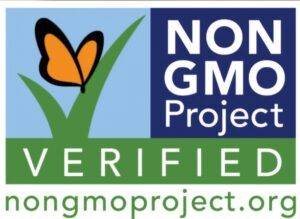
- First off, understanding non-GMO labels is crucial. Look for certifications like the Non-GMO Project Verified seal. This indicates that the product has been tested and meets the standard for non-GMO status. These labels give a quick visual cue that the product aligns with your preferences.
- Shopping at farmers’ markets offers another solid strategy. Often, local farmers grow produce using traditional methods, avoiding GMOs. Plus, you get the advantage of directly asking growers about their growing practices, making your shopping more transparent and trustworthy. You get fresh produce that’s likely free from genetic modifications.
- Opting for certified organic products is another surefire way to skip GMOs. Organic standards prohibit the use of genetically modified organisms, so if it’s organic, it’s non-GMO by default. This applies to both fresh produce and packaged goods. It’s a win-win as organic products also tend to avoid synthetic pesticides and fertilizers.
- Checking ingredient lists can also help when shopping for non-GMO foods. Ingredients such as soy, corn, cottonseed oil, and canola oil are often genetically modified. If a product contains these, make sure to look for non-GMO labels or opt for organic versions to be safe.
Online Shopping for Non-GMO Foods
Trusted Retailers
- There are several online retailers that specialize in non-GMO and organic products. Websites like Thrive Market, Vitacost, Trader Joes and Natural Grocers offer a wide range of non-GMO foods, supplements, and personal care items. Shopping online can also make it easier to compare labels and ingredients.
Apps and Tools
- Several apps can help you avoid GMOs while shopping. The Non-GMO Project has a shopping guide app that allows you to scan barcodes and see if a product is verified non-GMO. Other apps like Buycott can help you track the companies behind the products you buy, so you can make informed choices.
Additional Resources
Educational Websites
For more information about GMOs and how to avoid them, visit websites like the Non-GMO Project, the Environmental Working Group (EWG), and the Center for Food Safety. These organizations offer valuable resources, including lists of non-GMO products and tips for safe shopping.
Lastly, Various organizations compile lists and offer apps that can help you identify which brands and products are non-GMO. These tools can simplify your shopping trip, making it easier to stick to your non-GMO goals.
The Non GMO Project web site states ” The Butterfly on our products shows our customers that we care about the quality and ingredients of what we put into our food – we invest the time and expense to go through the process of verification.” In the USA look for the Verification butterfly on products to know what your getting is certified organic and GMO free!