
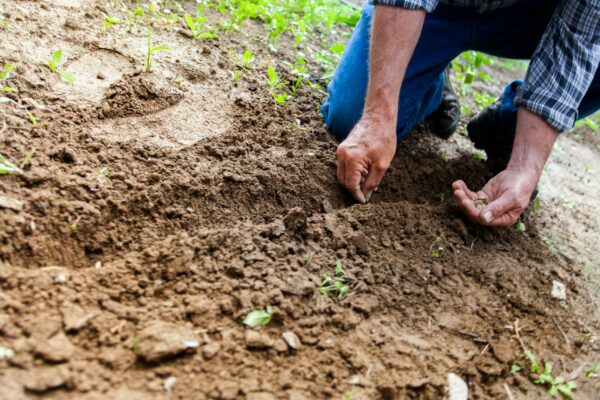
Living Clean and Organic Gardening
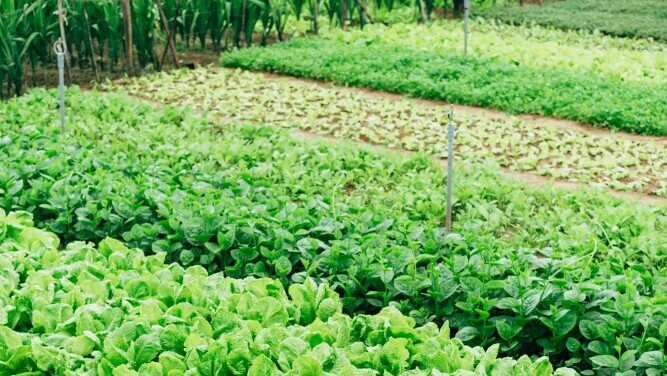
Learn how to grow a chemical-free, healthy garden with organic gardening tips and natural techniques.
Organic gardening is essential to clean-living IF you’re finding it expensive buying groceries and let’s face it who doesn’t find buying fruits and veggies expensive and it is so much better for you! What is organic gardening? Well, Organic gardening is a method of growing plants, fruits, and vegetables without the use of synthetic pesticides, herbicides, or chemical fertilizers. It focuses on natural processes to promote plant health and sustainability.
We are in an era where environmental sustainability and personal health are increasingly prioritized, organic gardening stands out as a practical and impactful practice. By deliberately avoiding synthetic chemicals and emphasizing natural processes, organic gardening offers numerous benefits that contribute to a cleaner, healthier life. Lets explore the key reasons why organic gardening is an excellent choice for those seeking to improve their well-being and reduce their environmental footprint.
There’s something magical about growing your own food, but why go organic? Organic gardening isn’t just about avoiding chemical pesticides—it’s a whole lifestyle that’s good for you and the Earth.
For starters, organic veggies are healthier for you. Without synthetic pesticides or fertilizers, you end up with produce that’s often richer in nutrients and antioxidants. Plus, you know exactly what’s in your food and how it’s grown.
Organic gardening is a win for the environment too. Conventional gardening methods rely heavily on chemicals that can harm wildlife, pollute waterways, and degrade soil over time. Getting rid of these toxins means you’re helping protect your local ecosystem.
Think about long-term soil health. Organic gardening focuses on building healthy, sustainable soil through natural practices like composting and crop rotation. This leads to richer, more fertile soil over time, which means better produce down the line.
Biodiversity is another big win. Organic gardens attract and support a variety of beneficial insects, birds, and other wildlife. This helps create a balanced environment where pests are naturally kept in check.
Lastly, organic gardening offers personal satisfaction and a sense of pride. Tending to your garden, watching it grow, and enjoying fresh, homegrown produce is incredibly rewarding. It’s a way to reconnect with nature and get a little peace and quiet in a chaotic world.
Planning Your Organic Garden
The first step to a successful organic garden is careful planning. The right location can make or break your garden. Look for a spot with plenty of sunlight—most veggies need at least 6-8 hours a day. Also, make sure you have easy access to water. Hauling water across your yard gets old fast.
Start with plants that are easy to grow and manage. Leafy greens like lettuce and spinach, root veggies like carrots and radishes, and herbs are great for beginners. They don’t require much fuss and give you a good harvest to boost your confidence.
You’ll also need to gather some basic tools and supplies. A trowel, gloves, a watering can or hose, and organic compost or fertilizer are essential. Consider raised beds or containers if you have limited space or poor soil quality.
Timing is everything. Create a planting calendar based on your local climate and growing season. This helps you know when to start seeds indoors, when to plant them outside, and when to expect your first harvest. It keeps you organized and ensures you’re always ready for the next step.
Companion planting can make your garden more productive and pest-resistant. Some plants naturally thrive together and help each other out by repelling pests or improving soil quality. For instance, planting basil near tomatoes can improve the tomatoes’ flavor and deter flies and mosquitoes.
Soil Preparation and Fertilization
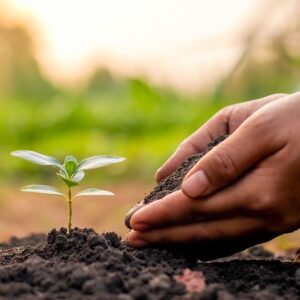
Great soil is the foundation of a thriving organic garden. Start by testing your soil to see what you’re working with. Kits are readily available and easy to use. Knowing your soil’s pH and nutrient levels helps you decide what amendments might be needed.
Compost is your best friend here. It enriches the soil with organic matter, improves drainage, and supplies essential nutrients. You can make your own compost at home with kitchen scraps, yard waste, and even coffee grounds. It’s like magic for your soil.
If your soil is lacking in specific nutrients, consider adding organic fertilizers. Things like bone meal, blood meal, and fish emulsion are great options. They help feed your plants without introducing harmful chemicals.
Healthy soil is living soil. Promote beneficial soil organisms like earthworms, bacteria, and fungi by using organic mulches. Mulches like straw, leaves, and grass clippings decompose over time, feeding your soil and keeping moisture in.
Keep an eye on your soil’s pH. Most vegetables prefer a slightly acidic to neutral pH (6.0-7.0). If your soil’s too acidic or too alkaline, certain nutrients won’t be available to your plants. Lime can be added to raise pH, while sulfur can lower it.
Remember, maintaining healthy soil is an ongoing process. Regularly add compost and organic matter to keep it rich and fertile. The healthier your soil, the healthier your plants will be.
Planting and Maintenance Tips
It’s time to get your hands dirty and start planting! Begin by sowing your seeds or planting seedlings based on your garden plan. Follow the spacing guidelines for each plant to give them room to grow strong and healthy. Crowded plants compete for nutrients and sunlight, so a bit of space goes a long way.
Seed starting can be done indoors to get a jump on the growing season. Use biodegradable seed pots and a good quality organic seed-starting mix. Once your seedlings are sturdy and have a few sets of leaves, it’s time to transplant them into the garden. If seed sowing isn’t your thing there are many places to get seedlings. Seedlings are young plants. Where I live I can get them at my local nursery, grocery store and my personal favorite is an Amish farm that has a nursery.
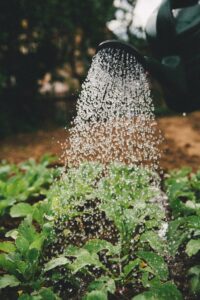
Then there is watering. Watering might seem straightforward, but there’s a knack to doing it right. Aim to water early in the morning to minimize evaporation and give your plants a good drink before the heat of the day.
Know Your Soil
Soil Type Matters:
- Sandy soils drain quickly and may require more frequent watering.
- Clay soils retain moisture longer but can become compacted and poorly drained.
- Loamy soils are ideal, balancing drainage and moisture retention.
Test Soil Moisture:
- Check soil moisture regularly by sticking your finger 2-3 inches into the soil. If it feels dry at that depth, it’s time to water.
Watering Methods
Soaker Hoses and Drip Irrigation:
- These methods deliver water directly to the soil at the base of plants, reducing water waste and minimizing the risk of fungal diseases by keeping foliage dry.
Hand Watering:
- Use a watering can or hose with a gentle spray nozzle to target the base of plants, especially young seedlings or delicate plants.
Sprinklers:
- While convenient for large areas, sprinklers can lead to uneven watering and wet foliage. Use them sparingly and preferably in the early morning.
Deep, Infrequent Watering
Promote Deep Roots:
- Water deeply to encourage plants to develop deep root systems. Shallow, frequent watering leads to shallow roots, making plants more vulnerable to drought.
Rule of Thumb:
- Most gardens need about 1-1.5 inches of water per week, including rainfall. Adjust based on your specific climate and soil conditions and plant needs.
Conservation Tips
Collect Rainwater:
- Use rain barrels to collect and store rainwater for garden use. This eco-friendly practice helps conserve water and reduce your water bill.
Efficient Water Use:
- Water during the coolest part of the day and use water-saving techniques like drip irrigation to minimize waste.
Pests in the Garden
 Well, this is a lady beetle aka ladybug these are NOT pests this is a “good” bug they eat the “Bad” destructive bugs such as aphids. But there are other destructive bugs you’ll need to keep out of your garden at all costs.
Keeping pests at bay is a common challenge. Stick to organic methods like handpicking pests, using insecticidal soaps, or employing beneficial insects like ladybugs that naturally keep pests under control. Row covers can protect young plants from pests and harsh weather.
Pruning is vital for plant health and productivity. Remove dead or diseased parts regularly to allow better air circulation and reduce the risk of disease. For certain plants, like tomatoes, pruning can encourage more fruit production.
Crop rotation keeps your soil from getting depleted and reduces the risk of pests and diseases. Avoid planting the same type of plant in the same spot year after year. Rotate crops by family, such as following tomatoes with beans or lettuce to keep things fresh and balanced.
Companion planting is another smart strategy to boost your garden’s health and yield. Some plants, like marigolds, deter pests, while others, like beans, help fix nitrogen in the soil. Pairing plants that benefit each other can lead to a more productive garden.
Harvesting and Beyond
Knowing when to harvest is key for the best flavor and texture. Each veggie has its own signals. For instance, pick tomatoes when they’re fully red but still firm, and dig up carrots when they’re about an inch in diameter. Harvesting in the morning, when plants are fresh and full of water, often gives the best results.
After harvesting, proper handling and storage make a big difference. Leafy greens should be rinsed and kept in the fridge, while root vegetables like potatoes and carrots are best stored in a cool, dark place. Avoid washing root veggies until you’re ready to use them—it helps them last longer.
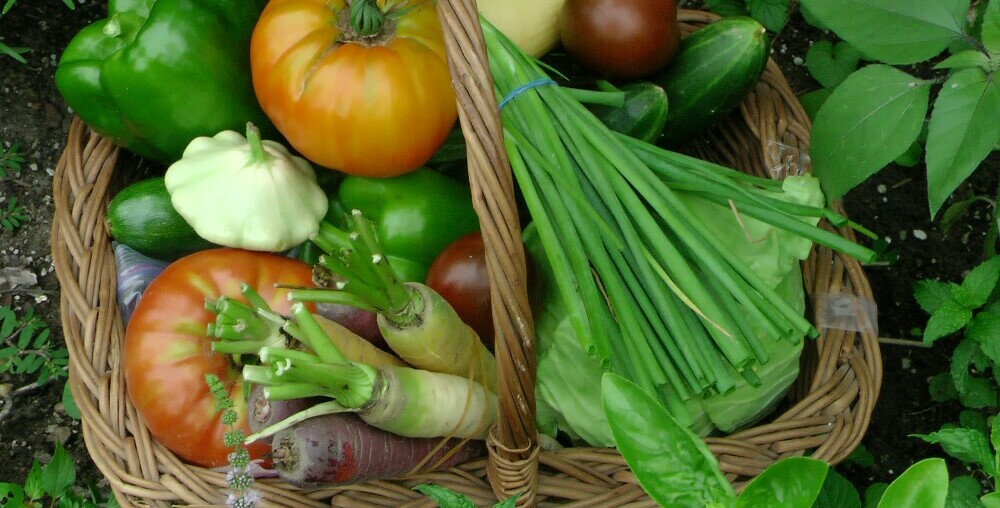
Got more produce than you can eat right away? Preserve it! Freezing, drying, and canning are great ways to enjoy your garden’s bounty throughout the year. Make homemade tomato sauce, pickle cucumbers, or sun-dry your extra herbs. There’s something special about savoring summer flavors in the middle of winter.
The gardening journey doesn’t end after harvest. Start planning for the next season by reviewing what worked well and what didn’t. Rotate your crops to prevent soil depletion and add fresh compost to keep your soil rich.
Keep notes on your garden’s progress. What grew well? What pests were a problem? Having a record helps you improve year after year. And don’t forget to experiment. Try new varieties, tweak your methods, and enjoy the ongoing learning process. Organic gardening is as much about the journey as the harvest.
Happy Gardening!
Have Any questions or just want to share your experiences leave me a comment! I am looking forward to hearing from you!