

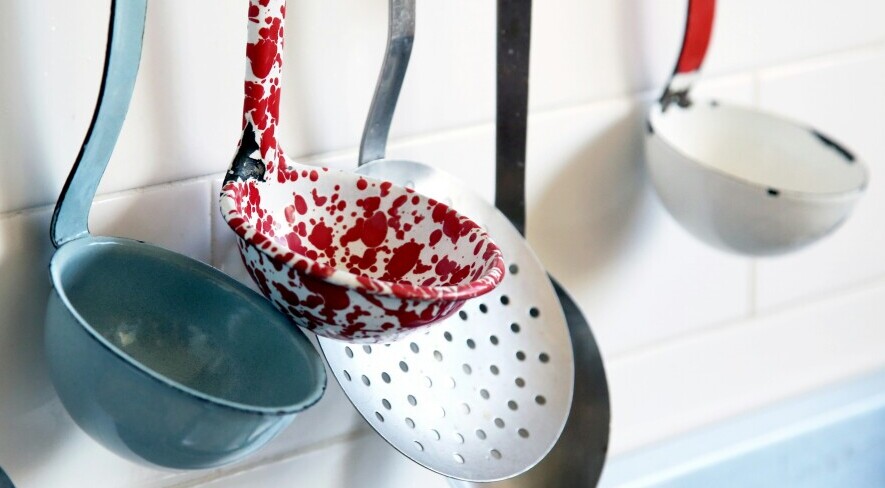
Your kitchen might look clean and safe, but could it be hiding a toxic secret? PFAS, often referred to as “forever chemicals,” are increasingly found in everyday kitchen items like nonstick pans, food containers, and even some cleaning products.
Per- and Polyfluoroalkyl Substances, commonly known as PFAs, are a large group of synthetic chemicals used for their resistance to heat, water, and oil. They have been used in various industries around the globe since the 1940s. These bad boys are everywhere—think non-stick cookware, food packaging, water-repellent fabrics, cleaning products and even in your water supply.
How PFAs Get into Your Kitchen
- Non-Stick Cookware: Many non-stick pans are coated with Teflon or similar substances that contain PFAs. When heated, these coatings can break down, releasing toxic chemicals into your food and the air.
- Cooking Utensils:
- Food Packaging: PFAs are used in food packaging to make it resistant to grease and stains. This includes items like microwave popcorn bags, fast food wrappers, and pizza boxes.
- Stain-Resistant Products: Kitchen textiles such as rugs, tablecloths, and even some dish towels can be treated with PFAs to make them stain-resistant.
- Cleaning Products: Some cleaning products used in the kitchen may contain PFAs. These can enter your environment through spray applications and residues.
- Water Supply: PFAs can contaminate water supplies, especially if you live near industrial sites or areas where PFAs have been used extensively.
PFA’s Are Bad For You!
PFAs are extremely persistent in the environment and in the human body, meaning they don’t break down and can accumulate over time. This persistence has earned them the nickname ‘forever chemicals.’ Imagine using products from decades ago that still affect your health today—it’s pretty wild, right?

The health impacts of PFAs are no joke. It’s not just about the immediate risk—it’s the slow buildup over years of use that becomes problematic.
Exposure to PFAs has been linked to various health issues, including:
- Cancer: Some studies suggest an increased risk of kidney and testicular cancers.
- Hormonal Disruption: PFAs may affect hormone levels and thyroid function.
- Immune System Effects: Exposure may weaken immune responses and increase susceptibility to infections.
A ton of research backs up these claims. Blood tests, for instance, have shown PFAs in the majority of people tested, mainly due to daily exposure through household products and food. It makes you think twice about what you’re bringing into your home, doesn’t it?
Governments and health organizations worldwide are starting to take note. Regulations and guidelines around PFAs are becoming more stringent to minimize exposure and protect public health. For instance, some countries are beginning to phase out certain PFAs from consumer products entirely. But it’s a gradual process, so knowing what to look out for can still save your health now.
Being aware of where these chemicals are lurking in your kitchen is the first step. Knowledge is the power here. So keep reading to learn how to spot and avoid these sneaky substances in your everyday life.
The Hidden Dangers: Why PFAs Are Bad For The Environment
But it’s not just our health that’s at risk. PFAs wreak havoc on the environment too. These chemicals don’t just vanish; they stick around, contaminating soil and water sources. Imagine the local lakes and rivers getting tainted with substances that can harm fish and wildlife. Humans aren’t the only ones affected; the entire ecosystem takes a hit.
While some countries are ahead in banning or restricting PFAs, not everyone is on the same page. That means it’s up to us to stay informed and make smart choices for ourselves and our families. It’s not just about protecting our health but also about safeguarding the planet for future generations.
Spotting PFAs in Your Kitchen: Common Sources and How to Identify Them
PFAs are stealthy buggers. They hide in plain sight, especially in the kitchen. Non-stick pots and pans are some of the most infamous culprits. That slick surface making your omelet glide so effortlessly? It’s achieved using PFAs.
Food packaging is another sneaky source. Microwave popcorn bags, pizza boxes, and even some candy wrappers often use these chemicals to create grease-resistant barriers. Next time you grab a snack, think about what’s keeping that grease at bay.
So, how do you spot PFAs? Start by reading labels. Look for terms like ‘fluoro’ or ‘perfluoro’—these are red flags. Brands are catching on and many now advertise PFAs-free products. Supporting these brands can minimize your exposure.
Shifting to alternatives can make a huge difference. Opt for stainless steel or cast-iron cookware. Switch to glass or stainless steel food storage. These changes not only reduce PFAs but can also be a healthier choice overall.
Practical Tips to Minimize PFAs Exposure in Your Kitchen
- Switching out non-stick cookware is a solid first step. Opt for stainless steel, cast iron, or ceramics. These options are not only PFAs-free but also durable and versatile. Cast iron gets better with age and can even add a boost of iron to your diet. check these out, https://amzn.to/4dVlKqw I love all of GreenPans collections!

- Cooking Utensils, Wood is the better choice if you’re looking for a natural, biodegradable, eco-friendly option that’s free from chemicals. Silicone is a good choice for those seeking flexibility, easy maintenance, and high durability without the potential drawbacks of wood cracking or retaining bacteria. Both are generally good options, but wood might better align with a natural, chemical-free lifestyle, which could be beneficial for content about clean living. I love these: https://amzn.to/3ATEIz7 I mean LOOK at them!

- For food storage, glass containers are the way to go. Ditch those old plastic boxes and invest in some glass ones. I Love these containers https://amzn.to/3MCXwW3
 Not only are they free of PFAs, but they’re also easier to clean and don’t absorb odors.
 -
Storage Bags (Plastic Food Bags) While most common plastic storage bags, like sandwich or freezer bags, typically don’t contain PFAS, some specialty bags (especially if marketed as “grease-resistant” or “non-stick”) could contain PFAS to enhance their performance. Safe Alternatives: Consider switching to reusable silicone bags or beeswax wraps to avoid exposure to harmful chemicals. I use these bees wax wraps https://amzn.to/3TgHZPh
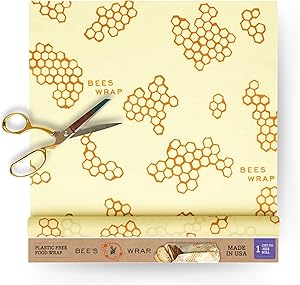 I love them because you cut them to your desired size and they are cute.
 - When you’re shopping, be a label detective. Look for PFAs-free labels on items like parchment paper, baking cups, and even cooking spray. There’s usually an alternative out there that’s just as effective without the added chemicals.
- Homemade cleaning solutions can be another game-changer. Vinegar, baking soda, and lemon juice can tackle most cleaning tasks without the toxic load. Bonus points for being eco-friendly and wallet-friendly!
- Proper disposal of PFAs-containing products is crucial. Don’t just toss them in the trash. Check with your local waste management services for guidance on how to dispose of these items safely. It prevents further contamination and keeps your immediate environment safer.
Our website contains affiliate links. This means if you click and make a purchase, we may receive a small commission. Don’t worry, there’s no extra cost to you. It’s a simple way you can support our mission to bring you quality content.”
Living a PFAs-Free Life: Long-Term Strategies and Healthy Habits
Keeping a PFAs-free kitchen is a marathon, not a sprint. One of the keys is staying informed. Science evolves, regulations change, and new products hit the market. Regularly check trustworthy sources for updates on PFAs and safer alternatives.
Swapping out PFA-heavy items doesn’t have to happen overnight. Tackle it one step at a time. Replace that non-stick pan first, then move on to food storage, and so forth. These little changes add up, lightening the PFAs load in your home gradually.
Building a habit of reading labels will go a long way. Whether it’s a cleaning product, a piece of cookware, or food packaging, getting into the routine of scanning labels helps you make safer choices and avoid surprises.
Sharing what you learn with friends and family can create a ripple effect. Awareness is contagious, and by spreading the word, you’re not only helping those close to you but also contributing to a larger movement for healthier living.
Advocating for stronger regulations is another powerful way to make a difference. Signing petitions, supporting brands that are committed to being PFAs-free, and engaging in community initiatives can push for broader changes, making it easier for everyone to avoid these chemicals.
It’s better for us and better for our planet!