
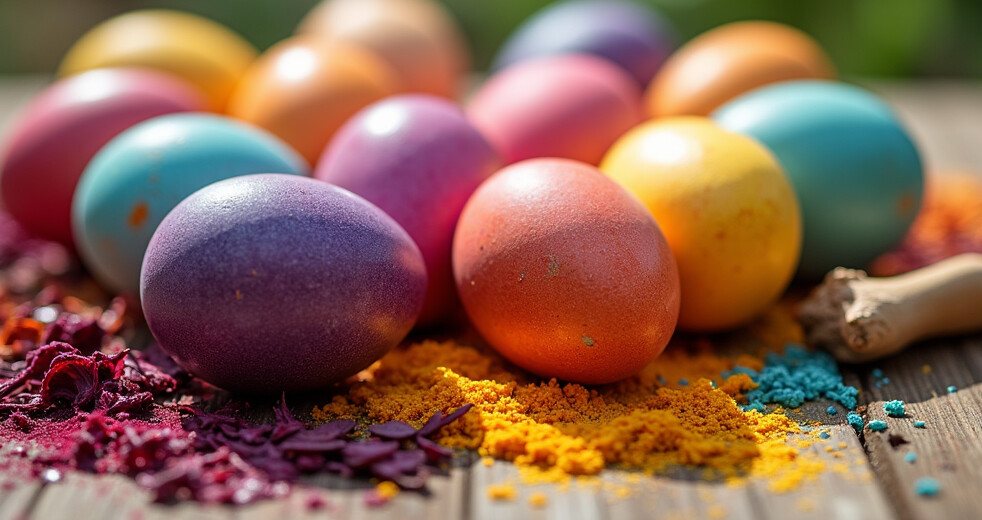
Easter egg dyeing is a cherished tradition that brings out the creativity in all of us—kids and adults alike. But behind those bright, store-bought colors often lurk synthetic chemicals that don’t align with a clean lifestyle. Whether you’re decorating a dozen eggs for the Easter bunny or hosting a springtime brunch, there’s a healthier, more meaningful way to add color to your holiday: with natural dyes.
In this article, we’ll explore why it’s so important to choose natural over artificial, how to make your own vibrant colors using ingredients from your kitchen, and fun tips for creating beautiful, safe, and eco-friendly Easter eggs your whole family will love.
🧪 Why Go Natural?
❌ Skip the Synthetic Dyes
Most conventional egg dyeing kits are made with synthetic food coloring—like Red 40, Yellow 5, and Blue 1—which are derived from petroleum and can contain harmful contaminants. These artificial dyes can seep through porous eggshells, especially when cracked, and may be linked to allergic reactions and hyperactivity in children.
👶 Safer for Kids & Sensitive Skin
Kids love to get hands-on with egg decorating, but their developing systems are more vulnerable to toxins. Natural dyes offer a safe, worry-free option that’s gentle on little hands and free from harsh chemicals.
🌎 Better for the Planet
Natural dyes reduce your chemical load and your environmental footprint. No plastic dye tablets, no artificial additives—just nature doing what it does best.
💛 A Mindful Tradition
Choosing natural dyes transforms egg decorating from a craft into a meaningful ritual. It’s a chance to slow down, get creative with your kids, and connect with the beauty of nature.
🌈 How Natural Dyes Work
Natural dyes come from colorful foods, herbs, and spices that you simmer in water to extract their pigment. By adding vinegar (or lemon juice), you help the color bond to the eggshell. The longer the egg soaks, the richer the color.
Unlike synthetic dyes, natural ones have a soft, earthy aesthetic—think subtle jewel tones and marbled finishes. Each egg becomes a unique little work of art.
🍇 DIY Natural Dye Recipes
You don’t need anything fancy—just a few basic kitchen staples. Here are some of the most beautiful and effective natural dye sources:
Color Natural Source
Pink/Red Beets, red onion skins, hibiscus tea
Yellow Tumeric, chamomile tea
Blue Red cabbage (with vinegar!), blueberries
Green Spinach, parsley or red cabbage + tumeric
Orange Yellow onion skins, paprika
Brown/Tan Coffee, black tea
Tip: Use white eggs for brighter results. Brown eggs will yield deeper, earthier tones.
🥣 How to Dye Eggs Naturally: Step-by-Step
- Chop or crush your dye materials (e.g., beet slices, cabbage leaves).
- Simmer with 2 cups of water for 15–30 minutes, until the color is rich.
- Strain the liquid into a bowl or jar and let it cool.
- Add 1 tablespoon of vinegar per cup of dye.
- Soak hard-boiled eggs in the dye for a few hours or overnight in the fridge.
- Remove and dry on a rack or towel. Optional: buff with a little coconut oil for shine.
🎨 Creative Ideas & Clean Crafting
Want to take your eggs to the next level? Try these clean and creative ideas:
- 🌿 Nature Prints: Wrap eggs in cheesecloth with leaves or flowers before dyeing for beautiful silhouettes.
- ✍️ Crayon Resist: Draw on the egg with a white crayon before soaking for a magical design reveal.
- 💫 Galaxy Look: Use two different dye layers or swirl colors for a marbled effect.
🥚 Clean Living Beyond the Dye
As part of your clean lifestyle, consider the eggs themselves. Opt for organic or pasture-raised eggs from local farms whenever possible. After dyeing, compost your leftover plant materials and pour dye liquids down the drain with peace of mind—no toxins here!
And finally, use this fun activity as a teachable moment with your children—about where color really comes from, how we can reduce waste, and why clean choices matter.
💚 Final Thoughts
Dyeing Easter eggs naturally is more than just a healthier option—it’s a celebration of the earth, your values, and the joy of intentional living. By choosing plant-based colors, you’re creating a cleaner holiday for your family and making a small but meaningful impact on the planet.
So this Easter, skip the kits and let your kitchen be your color palette. Your eggs will be beautiful, your hands will be clean, and your heart will be full. Grab your downloadable recipe card below!