
Shopping Smart, Reading Labels, Staying on Budget and Staying on Track.
Introduction: What is Clean Eating?
Clean eating is all about choosing whole, minimally processed foods that nourish your body. It’s not about strict diets or deprivation but making healthier choices that lead to better overall wellness. This guide will help you navigate the grocery store, teaching you how to read labels, avoid hidden gluten and sneaky sugars, and stick to a budget—all while enjoying delicious, clean meals.
1. Mastering the Art of Reading Food Labels
Understanding food labels is crucial to clean eating. Here’s what to focus on:
- Ingredients List:
-
- Keep It Simple: Opt for products with a short ingredient list made up of whole foods you recognize. If the ingredients read like a chemistry experiment, it’s best to avoid them.
- Avoid Additives: Say no to artificial preservatives, colors, and flavors that have no place in a clean eating lifestyle.
- Hidden Gluten:
-
- Where It Hides: Gluten can sneak into foods like sauces, soups, processed meats, and even teas. Look for ingredients such as wheat, barley, rye, malt, and brewer’s yeast.
- Certified Gluten-Free: The safest bet is to choose products labeled as gluten-free.
- Sneaky Sugars:
-
- Watch Out for These: Added sugars often go by different names like high fructose corn syrup, dextrose, maltose, and cane juice. Even natural-sounding ingredients like agave nectar can pack a sugary punch.
- Better Alternatives: When you need a sweetener, opt for natural choices like honey, maple syrup, or stevia, but use them sparingly.
- Nutritional Information:
-
- Serving Sizes Matter: Be aware that the nutritional information might be based on small serving sizes that don’t reflect how much you’ll actually eat.
- Balanced Nutrients: Aim for foods that offer a good mix of healthy fats, protein, and fiber to keep you satisfied and energized.
2. Essential Clean Eating Staples
Building a pantry filled with clean eating essentials is the first step towards a healthier diet:
- Whole Grains:
-
- Stock up on brown rice, quinoa, and whole oats. If you’re avoiding gluten, choose certified gluten-free grains like quinoa and brown rice.
- Fruits and Vegetables:
-
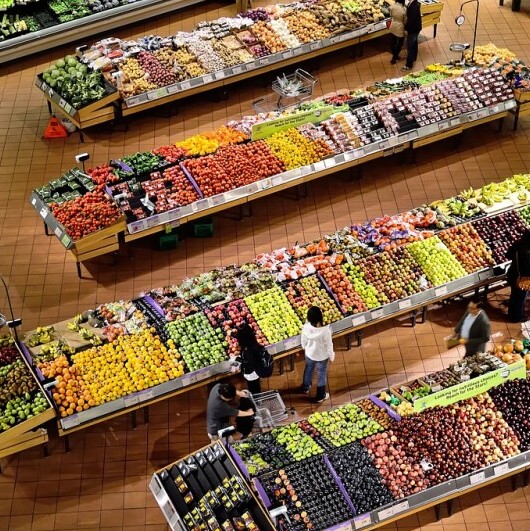
- Focus on fresh, organic produce and don’t forget about frozen fruits and veggies—they’re just as nutritious and often more affordable.
- Proteins:
-
- Choose lean options like grass-fed beef, free-range chicken, wild-caught fish, and plant-based proteins such as beans, lentils, and organic tofu.
- Healthy Fats:
-
- Keep your kitchen stocked with healthy fats like extra virgin olive oil, avocados, nuts, and seeds.
- Dairy and Alternatives:
-
- If you consume dairy, opt for organic, grass-fed options. Plant-based alternatives like almond milk and coconut yogurt (unsweetened) are great choices too.
3. Budgeting for Clean Eating
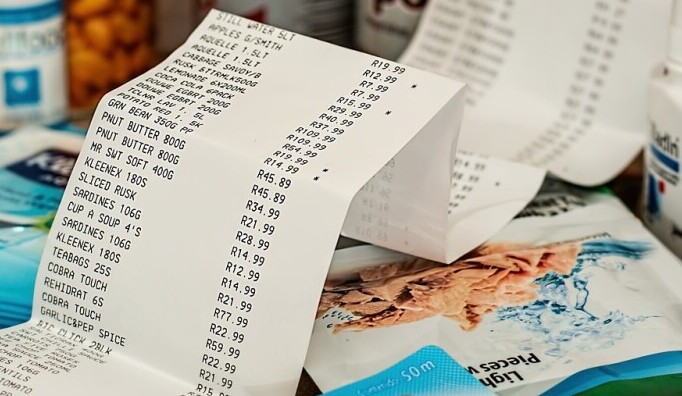
Eating clean doesn’t have to break the bank. Here’s how to shop smart:
- Shop Smart:
-
- Buy in Bulk: Bulk-buying staples like grains, nuts, and seeds can save you money.
- Seasonal and Local: Choose seasonal produce and visit farmers’ markets for fresh, often more affordable options.
- Frozen is Fine: Frozen fruits and vegetables are cost-effective and just as nutritious as fresh.
- Store Brands: Many stores offer their own organic products, which are often cheaper than name brands.
- Meal Planning:
-
- Plan Ahead: Create a weekly meal plan to avoid unnecessary purchases and food waste.
- Batch Cooking: Prepare large portions and freeze them for later to save time and money.
- Stick to Your List: Always shop with a list to avoid impulse buys.
4. Putting It All Together: A Sample Clean Eating Shopping List
Here’s a sample list to get you started:
- Grains: Brown rice, quinoa, gluten-free oats.
- Proteins: Wild-caught salmon, free-range eggs, organic tofu, beans, lentils.
- Fruits & Vegetables: Fresh seasonal produce, organic spinach, frozen berries.
- Healthy Fats: Extra virgin olive oil, avocados, raw nuts.
- Miscellaneous: Almond milk (unsweetened), raw honey, spices like turmeric and cinnamon.
Conclusion: Clean Eating Made Easy
Transitioning to clean eating is a journey, not a sprint. Start by making small changes, like swapping processed foods for whole ones, and gradually build up your clean eating habits. Remember, it’s all about balance and making choices that support your health and well-being without overcomplicating your life or your budget.
With this guide, you’re now equipped to navigate the grocery store, make informed decisions, and maintain a clean eating lifestyle that’s both sustainable and enjoyable.