
Hello, I am glad you are here! I hope you are having a wonderful day!
Today I’m going to be talking about something that’s capturing the hearts and grocery lists of more and more people: the organic lifestyle. When I say “organic foods” I mean those grown without synthetic pesticides, fertilizers, and other additives that can be less than kind to both our bodies and the environment. Clean eating is about embracing whole, unprocessed foods that fuel our bodies more naturally.
You’re going to find out about the shift toward health-conscious choices that so many individuals are making these days. This isn’t just about hopping onto a trend; it’s also about making informed choices for our health and for the planet. And let me tell you, the movement is gaining momentum as awareness grows.
In my opinion, tapping into the world of organic foods opens up a treasure trove of benefits. It’s important to understand what “organic” truly encompasses and why opting for these products can make a real difference in our lives. So, this brings the question: How exactly can going organic enhance our wellbeing?
If you want to get a handle on how your diet might be affecting your health and the environment, you’ve come to the right place. This article is dedicated to unpacking the advantages of an organic diet and how clean eating matters. Spoiler alert: it’s not just about what’s missing from organic foods, but what’s found in them. We’ll dive into the nutritious perks of organic foods and why they should earn a spot in your kitchen.
Nutritional Advantages of Organic Foods
I’m going to walk you through some compelling reasons why selecting organic foods can be a powerful choice for your health. First off, let’s hone in on the nutrient profile. Studies show that organic produce often packs a more nutritious punch, boasting higher levels of certain vitamins and antioxidants compared to their conventional counterparts.
1. Reduced Exposure to Pesticides and Chemicals
One of the most compelling reasons to choose organic foods is to minimize exposure to synthetic pesticides and fertilizers. Conventional farming often relies heavily on these chemicals, which can leave residues on produce. While regulatory bodies set limits for safe levels of these substances, the cumulative effect of long-term exposure is still a concern for many. Organic farming, however, uses natural alternatives and stricter standards, significantly reducing the presence of harmful chemicals in your diet.
2. Higher Nutrient Content
Emerging research suggests that organic foods may have higher levels of certain nutrients compared to their conventionally grown counterparts. For example, organic fruits and vegetables often boast higher concentrations of antioxidants, which are crucial for fighting off free radicals and preventing chronic diseases. Organic meat and dairy products can also contain more omega-3 fatty acids, thanks to the animals’ pasture-based diets.
3. No GMOs
Genetically modified organisms (GMOs) are a hot topic in the food industry. Organic standards prohibit the use of GMOs, meaning that when you choose organic, you are avoiding genetically engineered ingredients. For those who are cautious about the long-term health implications of consuming GMOs, organic foods offer a safer alternative.
4. Avoidance of Antibiotics and Hormones
In conventional livestock farming, antibiotics and growth hormones are commonly used to promote faster growth and prevent disease. However, this practice can lead to antibiotic resistance and other health concerns. Organic farming forbids the use of antibiotics and hormones, ensuring that the meat and dairy products you consume are free from these substances.
This isn’t just about vitamins and minerals; it’s also about what’s NOT present. Organic crops are cultivated without the use of synthetic pesticides and chemical fertilizers, meaning you’re less likely to ingest residues of these harmful substances. The absence of these chemicals doesn’t just promise a cleaner diet, it also signifies a commitment to your body’s well-being.
Now, the long-term health benefits are nothing to shrug off. By consistently choosing organic, you’re taking a proactive step towards reducing your exposure to potential toxins. Over time, this can contribute to better health outcomes and may even lower your risk of chronic diseases. It’s about making an investment in your future self.
Choose something that resonates with you, whether that’s better-quality produce, the ethical aspect, or the potential health payoff. But remember, switching to organic isn’t an all-or-nothing game. You can always adjust your approach down the road.
I really hope that you’re starting to see how making the switch to organic foods can have a considerable impact on your health portfolio. Up next, let’s take a closer look at what this choice means beyond your plate—the environmental aspect of organic farming and how it contributes to sustainability.
Environmental Impact and Sustainability
I’m going to take you through an incredibly important aspect of organic foods that goes beyond just personal health benefits: environmental impact and sustainability. When we talk about why clean eating matters, we’re also talking about making choices that are kinder to our planet. Choosing organic foods can be a way to support sustainable agriculture and prioritize your health.
Organic farming practices have a pivotal role in advancing biodiversity. These methods avoid the use of synthetic pesticides and fertilizers, which are often responsible for killing non-target species that play critical roles in ecosystem health. By fostering a more natural balance, organic farms can become thriving habitats for a variety of organisms.
Another compelling point is how organic agriculture can lead to reduced pollution. Without synthetic chemicals, there’s a significant decrease in the runoff that typically contaminates our waterways. This means less algae blooms, fish kills, and safekeeping of our water sources.
In terms of land integrity, organic farming really shines. It’s a frontline defense against soil degradation, thanks to practices like crop rotation and the use of organic fertilizers. With healthier soil, we see an uptick in carbon sequestration, which directly impacts global warming by removing carbon from the atmosphere.
Lastly, organic agriculture is a cornerstone of sustainable food systems. It encourages local production and consumption, thereby reducing food miles and the carbon footprint associated with long-distance transport. It also promotes a more resilient food supply that can withstand the pressures of climate change and population growth.
Environmental Benefits of Organic Foods
1. Sustainable Farming Practices
Organic farming emphasizes sustainability and environmental stewardship. Practices such as crop rotation, cover cropping, and the use of organic fertilizers help maintain soil health and fertility. These methods also reduce soil erosion and water contamination, promoting a healthier ecosystem.
2. Biodiversity Preservation
Organic farms often support greater biodiversity by growing a variety of crops and maintaining natural habitats for wildlife. This diversity not only benefits the environment but also helps control pests and diseases naturally, reducing the need for chemical interventions.
3. Lower Carbon Footprint
Organic farming generally requires less energy than conventional farming, contributing to a lower carbon footprint. Additionally, organic practices like composting and reduced tillage can enhance soil carbon sequestration, helping to mitigate climate change.
4. Reduced Pollution
By avoiding synthetic pesticides and fertilizers, organic farming significantly reduces soil and water pollution. This leads to cleaner waterways and less harm to aquatic life, ensuring a healthier environment for future generations.
In my opinion, these environmental benefits are as crucial as the health perks when considering the switch to an organic diet. Next, I’m going to guide you through some straightforward ways you can start incorporating organic foods into your daily life.
Making the Switch: How to Incorporate Organic Foods into Your Diet
I’m going to give you some straightforward tips to help you transition to an organic diet.
1.Start Small
You don’t need to overhaul your pantry overnight. It can be overwhelming and expensive. Starting small makes the transition more manageable.
How to do it:
- Prioritize Certain Foods: Begin with foods that are known to have higher pesticide residues when grown conventionally, such as the “Dirty Dozen” (a list of fruits and vegetables with the highest pesticide levels) They are:
- Strawberries
- Spinach
- Kale, collard and mustard greens
- Peaches
- Pears
- Nectarines
- Apples
- Grapes
- Bell & hot peppers
- Cherries
- Blueberries
- Green beans
- Replace Staples First: Focus on staple items you use regularly, such as grains, pasta, and oils.
You can always adjust your approach down the road. As you become more comfortable with organic products, you can gradually expand your selection.
2. Read Labels Carefully
Not all products labeled “natural” or “healthy” are organic. Understanding labels ensures you’re getting genuine organic products.
How to Do It
- Look for the USDA Organic Seal: This certifies that the product meets strict organic standards.
- Check the Ingredient List: Ensure all ingredients are organic, especially if the product claims to be organic but only part of it is.
Reading food labels is a skill that empowers you to make healthier choices and understand what you’re putting into your body. By paying attention to serving sizes, calories, macronutrients, micronutrients, and ingredient lists, you can better manage your diet and overall health. Start practicing these tips, and soon you’ll be reading food labels like a pro!
3. Buy in Bulk
Buying in bulk can save money and reduce packaging waste, making it easier to stock up on organic essentials.
How to Do It
- Focus on Non-Perishables: Purchase items like grains, beans, nuts, and seeds in bulk.
- Use Reusable Containers: Store bulk items in airtight containers to maintain freshness.
4. Plan Your Meals
Meal planning helps you stay organized and ensures you’re using the organic foods you buy, reducing waste and unnecessary purchases.
How to Do It
- Create Weekly Menus: Plan your meals around the organic foods you have or intend to buy.
- Make a Shopping List: Stick to your list to avoid impulse buys and ensure you’re getting the organic items you need. You’re going to find out about local farmers’ markets and community-supported agriculture (CSRA) – they can be goldmines for affordable, organic produce.
5. Shop at Local Farmers’ Markets
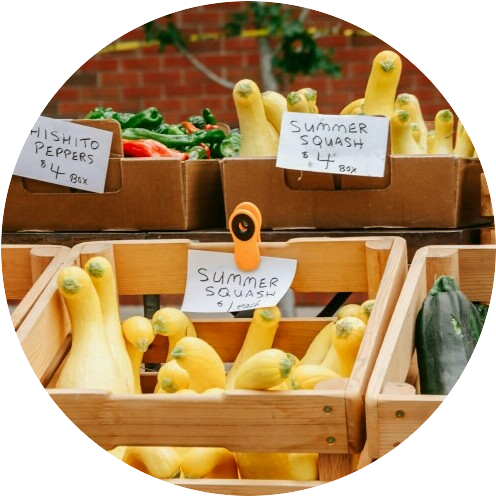
Local farmers’ markets often have fresh, seasonal, and sometimes more affordable organic produce.
How to Do It
- Talk to Farmers: Ask about their farming practices. Even if they’re not certified organic, many small farms use organic methods.
- Seasonal Shopping: Buy what’s in season for the best prices and freshest produce.
6. Look for Sales and Discounts
Organic foods can be more expensive, but looking for sales and discounts can help you stay within your budget.
How to Do It
- Sign Up for Newsletters: Many stores offer discounts to subscribers.
- Use Coupons: Check online for organic food coupons and use them when shopping.
7. DIY When Possible
Making your own snacks, sauces, and other items can ensure they are organic and can be more cost-effective.
How to Do It
- Homemade Snacks: Make granola, energy bars, or trail mix using organic ingredients.
- DIY Sauces and Condiments: Prepare your own organic tomato sauce, salad dressings, and spice blends.
Transitioning your pantry to organic foods can seem like a daunting task, but with a few straightforward steps, you can make the process smooth and manageable. Here are some practical tips to help you overhaul your pantry towards organic foods:
8. Prioritize Whole Foods
Whole foods like fruits, vegetables, grains, and legumes are often more affordable and healthier than processed organic foods.
How to Do It
- Focus on the Basics: Stock up on organic fruits, vegetables, whole grains, nuts, seeds, and legumes.
- Limit Processed Foods: Gradually replace processed foods with whole, organic alternatives.
9. Grow Your Own
Growing your own organic herbs, vegetables, and fruits can be rewarding, cost-effective, and ensure you have a supply of fresh organic produce.
How to Do It
- Start Small: Begin with easy-to-grow plants like herbs, tomatoes, and lettuce.
- Use Organic Seeds and Soil: Ensure your garden is truly organic by using organic seeds and soil.
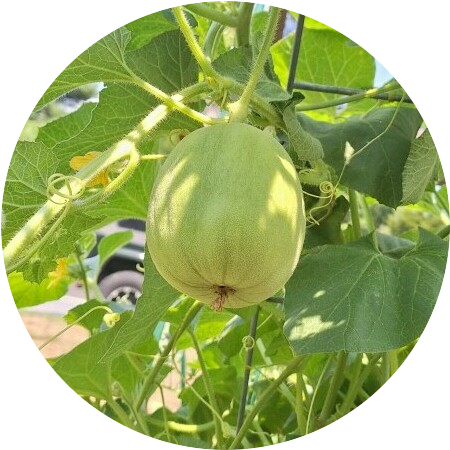
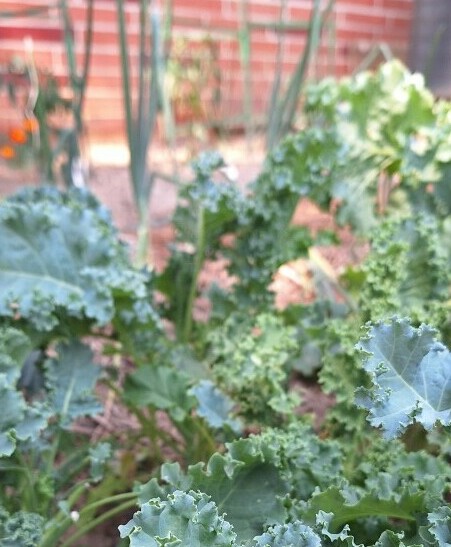
- If you want to maximize your organic choices while sticking to a budget, prioritize seasonal foods and consider growing your own herbs and veggies. I love growing what we eat and I can be sure that its organic! (Pictures from my garden, orange melon, kale, onions and peppers and yellow tomatoes amongst many other things ALL ORGANIC)

10. Educate Yourself
Understanding the benefits of organic foods and knowing how to identify them will help you make informed choices.
How to Do It
- Read Books and Articles: Educate yourself about organic farming, food labels, and nutrition.
- Join Online Communities: Participate in forums or social media groups focused on organic living for tips and support.
By following these straightforward tips, you can gradually transition your pantry towards organic foods, leading to a healthier lifestyle and more sustainable environment.
Conclusion: Embracing Clean Eating
Choosing organic foods is more than just a dietary preference; it’s a commitment to personal health, environmental sustainability, and ethical practices. By embracing clean eating and prioritizing organic products, you can enjoy a host of benefits that extend beyond your own well-being. From reducing chemical exposure and boosting nutrient intake to supporting sustainable farming and fair trade, organic foods offer a holistic approach to a healthier, more conscientious lifestyle.
As the movement towards clean eating continues to grow, the availability and variety of organic products will likely expand. Making the switch to organic may require some adjustments and a potential increase in food costs, but the long-term advantages are well worth the investment. So next time you shop for groceries, consider reaching for organic options and take a step towards a cleaner, healthier, and more sustainable way of eating.
I really hope that you take these steps to heart. Embracing organic food is not just about improving your health; it’s also about supporting environmentally friendly farming practices.
What clean eating changes have you made? Share your tips below! Or, if you have any questions or comments, please feel free to reach out! I look forward to hearing from you!