

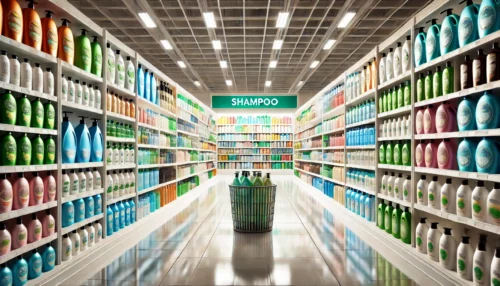
In this article I am sharing my tried & true tips on how to transition to a toxin free lifestyle without going crazy!
Health-conscious living doesn’t have to be difficult, intimidating or expensive, so let’s make this transition as smooth as possible no matter where you are in your journey.
When I first started this journey, I thought “this is going to be expensive and daunting” but through trial & error I have learned that this is not a race, it’s a marathon. Taking your time to think it through and decide where to start is crucial to being successful.
The first changes I made were DIY cleaning products made from vinegar which saved me a bunch of money, cleaning chemicals from the store are expensive not to mention toxic.
So, let’s take this slowly. We’ll start with personal care items because this is where your family is exposed the most!
Ever take a closer look at the back of your shampoo bottle? The ingredients might look like a mess of words you can’t pronounce. Why? Because many of these are toxic chemicals. Many of these everyday products sneak in chemicals that can pose serious health threats. That’s right, some stuff sitting in our homes contains substances better left in a lab. From bath soap to kitchen containers these chemicals are in almost every single thing in our homes.
Long-term exposure to these toxic chemicals isn’t just an abstract concern—it’s linked to real health issues. We’re talking respiratory problems, skin irritations, or even more serious concerns like hormonal disruptions. Nobody wants that, especially when there are safer options out there.
And it’s not just about our personal well-being. When these chemical-packed products get washed down the drain, they wind up in our water systems and impact the environment, too. Plants and animals can suffer, ecosystems get disrupted, and our planet pays the price.
Opting for non-toxic alternatives isn’t just a trend—it’s a smart choice. Not only do these options look after your health, but they’re also kinder to Mother Nature. Making the switch could mean fresher air at home, clearer skin, and even a happier planet. Plus, brands are catching on, with more products out there than ever that match our needs without the nasties.
Identifying Harmful Ingredients
Ever felt overwhelmed trying to decipher product labels crammed with long, science-y words? You’re not alone! Many of us pick up bottles with good intentions, not realizing the laundry list of hazardous ingredients inside.
Parabens, phthalates, and formaldehyde are some common offenders hiding in plain sight. These chemicals may help preserve or add fragrance to products but can mess with our hormones or irritate our skin. Keeping an eye out for these nasties is key to avoiding potential health issues.
Parabens
Parabens are a group of synthetic chemicals widely used as preservatives in cosmetics, personal care products, pharmaceuticals, and some food items. They help prevent the growth of mold, bacteria, and yeast, extending product shelf life.
Common Types of Parabens:
- Methylparaben
- Ethyl paraben
- Propylparaben
- Butylparaben
These can often be found listed on product ingredient labels.
Where Parabens Are Found:
- Personal Care Products:
-
- Shampoos and conditioners
- Lotions and moisturizers
- Makeup and foundation
- Deodorants
- Sunscreen
- Food:
-
- Baked goods
- Processed meats
- Beverages
- Pharmaceuticals:
-
- Creams and ointments
Health Concerns Linked to Parabens:
Parabens are classified as endocrine disruptors, which means they may interfere with the body’s hormonal systems. Research indicates potential risks, though some findings remain controversial:
- Hormonal Disruption: Parabens can mimic estrogen, potentially affecting hormone balance.
- Reproductive Health Issues: Linked to reduced fertility and developmental issues in offspring.
- Breast Cancer: Traces of parabens have been found in breast cancer tissue. 99% of all breast cancer tissues sampled contained parabens.
- Skin Irritation: Can cause allergic reactions or sensitivity in some individuals.
How to Avoid Parabens:
- Read Labels: Check for ingredients ending in “-paraben.”
- Choose Paraben-Free Products: Many brands now advertise paraben-free alternatives.
- Go Natural: Opt for products made with natural preservatives like vitamin E, rosemary extract, or essential oils.
- Minimize Processed Foods: Eat fresh, whole foods to avoid parabens in food preservatives.
Why Go Paraben-Free?
Avoiding parabens is a proactive step in reducing exposure to synthetic chemicals that may have unknown long-term health effects. By choosing paraben-free alternatives, you support a cleaner, more natural approach to personal care and household products.
Phthalates
Phthalates – are chemicals found in hundreds of products. They are mainly used in plastics to help them become soft, flexible, and hard to break. Most people’s exposure to phthalates comes from food sources and personal care products.
Phthalates are sometimes called the “everywhere chemical.” This is because they are found in thousands of products that people use daily, including:
- Children’s toys
- Medical devices
- Furniture
- PVC plumbing
- Vinyl flooring
- Wall coverings
- Detergents and household cleaners
- Food packaging
- Personal care products, including soaps, shampoos, and cosmetics
Phthalates are linked to reduced testosterone levels (a sex hormone) and low sperm counts in males.
In all sexes, high phthalate exposure may lead to reduced fertility. Pregnant people who have been exposed to high levels of phthalates might give birth to babies with cognitive or behavioral problems.
Volatile Organic Compounds (VOC’S)
Volatile Organic Compounds (VOCs) are gases emitted from certain solids or liquids, often found in products used in daily life. These compounds can have short- and long-term health effects depending on the level and duration of exposure.
Common Sources of VOCs:
- Household Products:
-
- Paints, varnishes, and finishes
- Cleaning supplies and disinfectants
- Air fresheners and scented candles
- Adhesives and glues
- Building Materials:
-
- Carpets and composite wood products
- Vinyl flooring and wallpaper
- Personal Care Items:
-
- Perfumes, hair sprays, and deodorants
- Nail polish and removers
- Other Sources:
-
- Vehicle exhaust
- Cigarette smoke
- Office equipment like printers and copiers
Health Effects of VOCs:
- Short-Term Exposure:
-
- Eye, nose, and throat irritation
- Headaches, dizziness, and nausea
- Exacerbation of asthma or allergies
- Long-Term Exposure:
-
- Damage to the liver, kidney, or central nervous system
- Increased risk of cancer (depending on the VOC type, e.g., formaldehyde or benzene)
How to Reduce VOC Exposure:
- Ventilation:
-
- Ensure proper airflow, especially when using products that emit VOCs.
- Use exhaust fans or open windows during and after use.
- Choose Low-VOC Products:
-
- Look for labels such as “Low-VOC” or “No-VOC” on paints, finishes, and cleaning supplies.
- Store Products Properly:
-
- Keep containers tightly sealed and store them outside the living areas when possible.
- Avoid Synthetic Fragrances:
-
- Opt for natural, fragrance-free options in cleaning and personal care products.
- Use Air Purifiers:
-
- HEPA filters and activated carbon can help reduce VOC levels indoors.
- Buy Natural Materials:
-
- Choose furnishings and building materials made from untreated, natural wood or non-toxic finishes.
Bisphenol A (BPA)
Bisphenol A (BPA) is a chemical commonly used in the production of polycarbonate plastics and epoxy resins. These materials are found in many consumer products, particularly those related to food and beverage storage. BPA is an endocrine disruptor, meaning it can interfere with the body’s hormonal systems.
Where BPA Is Found:
- Food and Beverage Containers:
-
- Water bottles and sports drink bottles
- Canned foods and beverages (epoxy lining)
- Household Items:
-
- Plastic storage containers
- Non-stick cookware
- Receipts and Thermal Paper:
-
- Receipts printed on thermal paper contain significant amounts of BPA.
- Dental Products:
-
- Dental sealants and composites may contain BPA derivatives.
Health Concerns Linked to BPA:
Research on BPA has raised concerns about its potential effects on health:
- Hormonal Disruption:
-
- Mimics estrogen and may interfere with normal hormone functions.
- Reproductive Issues:
-
- Linked to reduced fertility and developmental problems in offspring.
- Increased Risk of Chronic Diseases:
-
- Associated with heart disease, diabetes, and obesity.
- Neurodevelopmental Effects:
-
- Prenatal and early-life exposure may affect brain development in children.
How to Avoid BPA:
- Choose BPA-Free Products:
-
- Look for products labeled “BPA-free.”
- Avoid plastics with recycling codes 3 or 7, which may contain BPA.
- Limit Canned Foods:
-
- Opt for fresh or frozen foods, or choose cans labeled BPA-free.
- Use Glass, Stainless Steel, or Silicone:
-
- Replace plastic water bottles and storage containers with these safer alternatives.
- Avoid Heating Plastic:
-
- Do not microwave food in plastic containers or wash them in dishwashers at high temperatures.
- Handle Receipts Sparingly:
-
- Reduce contact with thermal receipts and wash your hands afterward.
- Advocate for Change:
-
- Support regulations that limit or ban the use of BPA in consumer products.
Why BPA-Free Matters:
Choosing BPA-free options reduces your exposure to harmful chemicals and contributes to a healthier lifestyle. BPA alternatives, while not perfect, are increasingly safer and more sustainable.
Formaldehyde
What Is Formaldehyde?
Formaldehyde is a colorless, strong-smelling gas widely used in manufacturing and found in many household and industrial products. It is also a byproduct of combustion, meaning it can be released from burning fuels like gas and wood. Formaldehyde is classified as a known human carcinogen by organizations like the International Agency for Research on Cancer (IARC).
Common Sources of Formaldehyde:
- Building Materials:
-
- Plywood, particleboard, and fiberboard
- Insulation materials
- Household Products:
-
- Furniture and cabinets made with pressed wood
- Carpets and laminate flooring
- Personal Care Products:
-
- Shampoos, conditioners, and nail polishes (as formaldehyde releasers)
- Some cosmetics and lotions
- Cleaning Products:
-
- Disinfectants, air fresheners, and household cleaners
- Other Sources:
-
- Tobacco smoke and unvented fuel-burning appliances
Health Risks of Formaldehyde:
- Short-Term Exposure:
-
- Irritation of the eyes, nose, and throat
- Coughing, wheezing, and nausea
- Long-Term Exposure:
-
- Increased risk of developing cancer, especially nasopharyngeal cancer and leukemia
- Potential for respiratory issues, including asthma
How to Avoid Formaldehyde:
- Opt for Low-Formaldehyde Products:
-
- Look for furniture and building materials labeled as “low-VOC” or compliant with standards like CARB Phase 2.
- Choose Natural Alternatives:
-
- Use natural wood instead of pressed wood products.
- Ventilate Your Home:
-
- Increase airflow, especially after installing new furniture or flooring.
- Avoid Formaldehyde-Releasing Products:
-
- Check personal care product labels for ingredients like quaternium-15, DMDM hydantoin, and imidazolidinyl urea.
- Use Air Purifiers:
-
- Activated carbon filters can help reduce indoor formaldehyde levels.
Why Minimize Formaldehyde Exposure?
Reducing exposure to formaldehyde protects you from respiratory irritation and reduces the risk of serious health conditions, including cancer. Awareness and informed choices can significantly limit its presence in your living space.
Label literacy is crucial. It sounds dull but learning to decode what’s inside your products is empowering. Look beyond buzzwords like ‘natural’ or ‘organic’. They can be misleading if you don’t check for certifications or supporting info.
Several handy resources, like mobile apps, make it easy to scan and check toxicity levels while you shop. I use Yuka it is the best one I have found so far! These tools can save you from hours of research by immediately giving you a thumbs up or down on products. Check these out EWG’s Healthy Living App or Think Dirty or Detox Me all of these are great Apps to help you figure out what’s toxic and what’s not.
When in doubt, look for products that fully disclose their ingredients with simple, straightforward naming. That transparency usually signals a brand with nothing to hide.
By understanding the ingredients to avoid and how to identify them, you’re well on your way to a healthier, non-toxic lifestyle.
Look for Trusted Certifications.
Eco Friendly labels: USDA Organic, Green Seal or ECOCERT
Non-Toxic Standards: Look for “Fragrance Free” or “Phthalate Free” labels.
1. Credibility and Transparency
Certifications come from independent organizations that evaluate products against strict standards. For example:
- USDA Organic ensures that products meet federal organic farming and processing requirements, such as being free from synthetic pesticides, GMOs, and artificial additives.
- Green Seal: For sustainable, non-toxic household products.
- EWG Verified – (Environmental Working Group) : Personal care products with rigorous safety standards. When you see the EWG Verified mark on a product, you can be sure it’s free from EWG’s chemicals of concern and meets strictest standards for your health.
- Third-party testing adds a layer of unbiased verification, confirming the claims made by brands.
Why It Matters:
Why trust these labels? Because of their rigorous standards, certification processes, and reputations as leaders in their respective areas of focus AND the evaluations are not conducted by the companies selling the products.
BUT beware of “Greenwashing”
Greenwashing refers to the practice of misleading consumers into believing that a product, company, or practice is more environmentally friendly or sustainable than it actually is. Companies may use greenwashing to capitalize on the growing demand for eco-friendly products without making meaningful changes to their practices.
Greenwashing can take many forms, including:
- Vague or Misleading Claims
-
- Example: Labels like “natural,” “eco-friendly,” or “green” without evidence or certifications.
- Why It’s Misleading: These terms are often unregulated and can mean different things to different people.
- Selective Transparency
-
- Example: Highlighting one eco-friendly aspect of a product while ignoring other harmful practices.
- Why It’s Misleading: A company might advertise “recycled packaging” but fail to disclose toxic ingredients in the product itself.
- Imagery and Design Tricks
-
- Example: Using green colors, pictures of nature, or eco-related symbols on packaging to imply sustainability.
- Why It’s Misleading: Visual cues can create an impression of environmental consciousness without substantiated claims.
- Irrelevant Claims
-
- Example: Claiming “CFC-free” when chlorofluorocarbons have been banned for decades.
- Why It’s Misleading: This tactic highlights something insignificant or already mandated by law.
- False Certifications
-
- Example: Using fake or unverifiable “certification” seals to make a product seem more credible.
- Why It’s Misleading: Without a recognized certification body, these seals are meaningless.
Tips for Choosing Non-Toxic Products
Feeling overwhelmed by endless product options claiming to be the cleanest and greenest? Don’t sweat it! Start with a checklist that highlights key factors—like avoiding known harmful chemicals, ensuring full ingredient transparency, and checking for reputable certifications.
Brands that are committed to keeping toxins out of their products are worth keeping on your radar. Some companies build their reputations on honesty and safe formulations, so do a little digging and discover those that align with your values.
I am not affiliated with this company BUT I love Humby Organics they make this shampoo bar that has helped my grey hair look and feel so much better! The best part is the shampoo bars are Handmade, toxin free and 100% organic! They have all different kinds, you can check them out at HumbyOrganics.com!
Venturing into DIY territory can be a game-changer. Plenty of non-toxic recipes for household cleaners and personal care products work just as well, if not better, than their chemical-laden counterparts. Plus, you get the added satisfaction of knowing exactly what goes into your lotions or sprays. Check out these DIY recipes!
Prioritizing your Switch
If swapping everything out at once feels daunting, it makes sense to take it step by step. Focus on replacing the products you use most often or apply directly to your body first—like lotions, shampoos, or kitchen cleaners. This way, the transition is manageable, and you’re tackling the bigger potential risks head-on.
By using these tips, you’ll be well-equipped to navigate the non-toxic maze and make smarter choices for yourself and the environment.
Empower Yourself with Clean Living Resources and Support
At Clean Life Journey, we empower you with the knowledge and tools to thrive on your non-toxic journey. Our resources—ranging from expert blog posts to product evaluations—keep you informed with the latest safety tips and research, so you can make confident, healthier choices for your household.
Taking action multiplies your impact. By supporting brands that prioritize safety and sustainability or advocating for transparent labeling and stricter regulations, you join a movement that’s driving industry-wide change. Every informed purchase you make is a step toward a cleaner, healthier future.
At Clean Life Journey, we’re here to help you every step of the way. With our guidance and community support, living non-toxic becomes more accessible and deeply fulfilling. Let’s create healthier habits and a brighter tomorrow together.